Implant Surfaces
Controlled polishing on joint replacements, fixation devices and dental components.
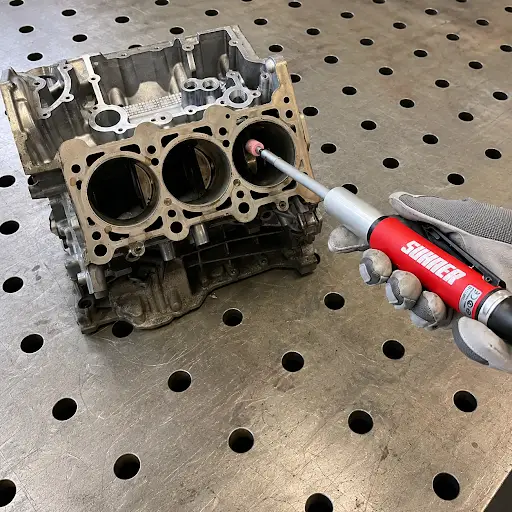
Medical devices and precision engineering demand controlled material removal, low vibration and repeatable surface quality on stainless steel, titanium, cobalt-chrome and other high-value alloys.
LUPFIGS supplies matched SUHNER micro-motor, pneumatic and flexible-shaft systems with fine abrasives for fine milling, high-speed finishing and mirror polishing on implants, instruments and intricate precision components.
Every medical and precision application places strict limits on vibration, heat input, surface integrity and process documentation.
From implant finishing to instrument detail work and mirror polish, each zone needs a different combination of drive, handpiece and abrasive.
Fine milling, blending and polishing on orthopaedic implants, surgical instruments and precision-machined medical parts.
Controlled polishing on joint replacements, fixation devices and dental components.
Deburring and refinement on scalpel handles, clamps and cutting tools.
Local work on threads, radii and contoured medical geometries.
Micro-motor and precision handpieces for milling, engraving and detail correction on small, complex precision components.
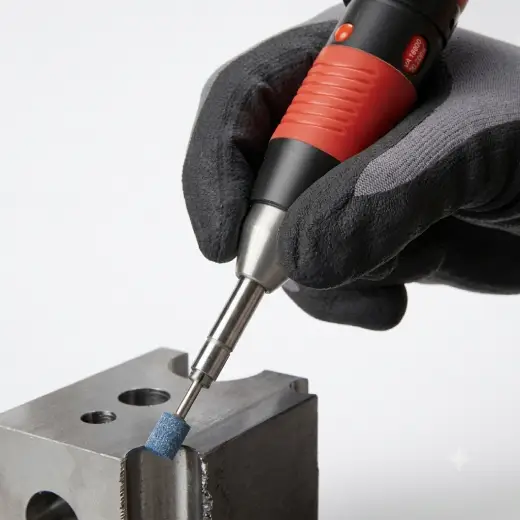
Low-vibration cutting on cavities, ports and micro-scale features.
Controlled material removal for identification and functional surfaces.
Compact handpieces for hard-to-reach internal geometries.
Progressive abrasive sequences for mirror-quality surfaces on stainless steel, titanium and cobalt-chrome components.
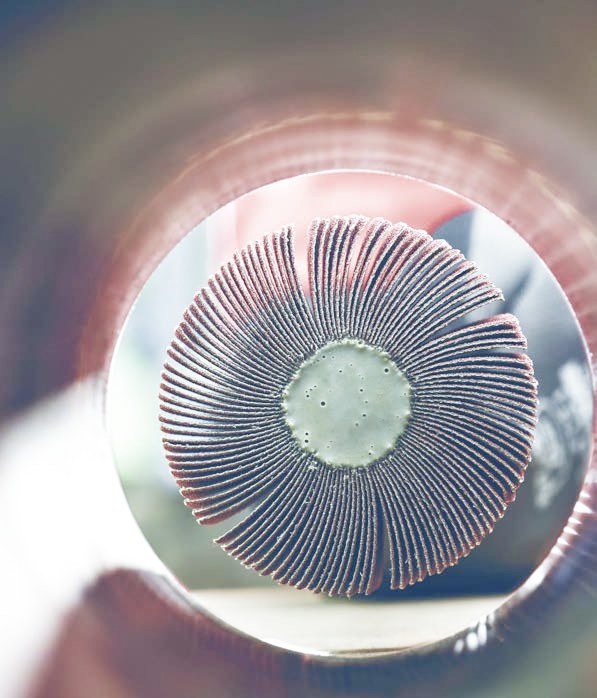
Structured sequences from coarse cut through to fine polish.
Low heat input to protect metallurgy and dimensional accuracy.
Consistent finish for components where surface appearance is critical.
Application trials, process definition and technical consultation to establish repeatable, validated finishing routines.
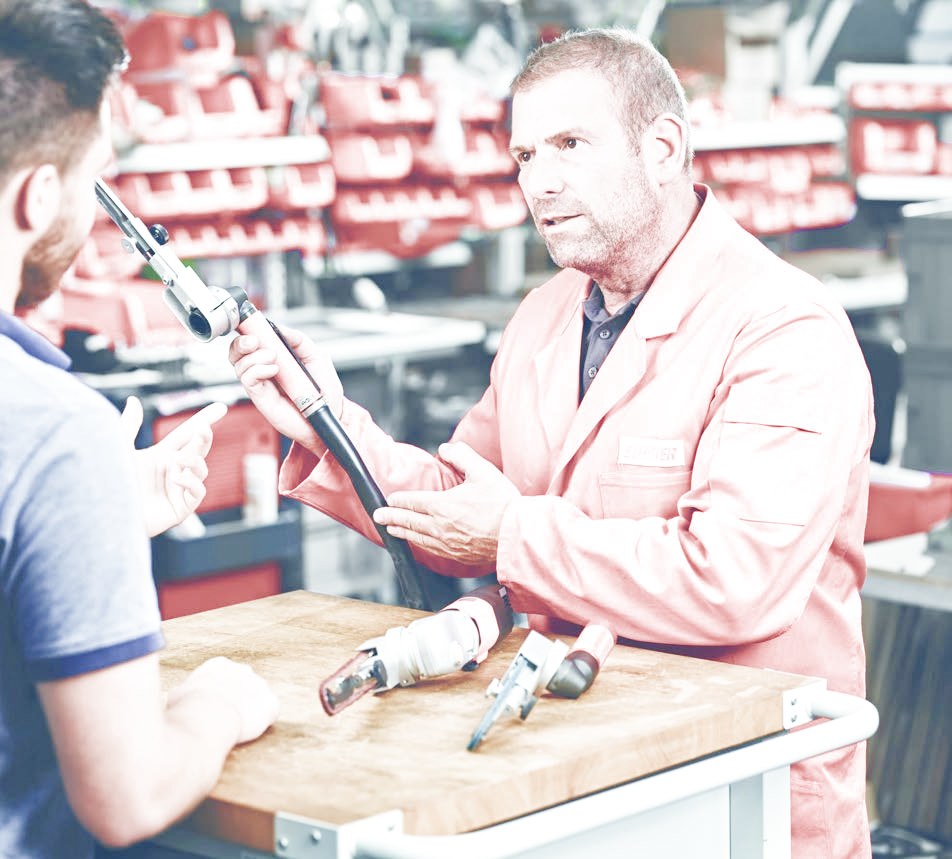
Bench testing to confirm abrasive, speed and handpiece selection.
Clear sequences that support quality records and operator training.
Consumable matching and process refinement as requirements evolve.
Select the drive and abrasive combination that fits the material, geometry and required finish.
SUNmic low-vibration handpieces for fine milling, blending and polishing.
Compact grinders and detail tools for controlled precision finishing.
Mounted points, fine belts and polishing consumables for high-value alloys.
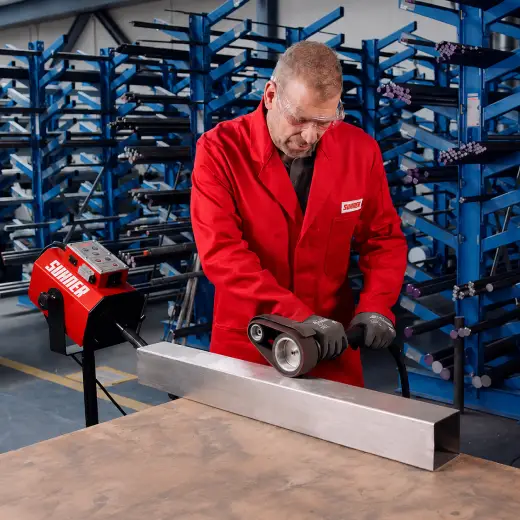
Flexible-shaft drives and handpieces for extended reach and bench work.
We help teams define a clear sequence from geometry assessment through to validated mirror or functional finish.
Map component features, access paths, alloy type and finish specification.
Select abrasives and speeds suited to stainless, titanium or cobalt-chrome.
Use the right handpiece and grit sequence to protect surface integrity.
Progress through grits to the specified mirror or functional result.
Document the method, train operators and keep consumables consistent.
Review the micro-motor, pneumatic and abrasive ranges most often specified for medical and precision engineering.