Deburring
Remove sharp edges and EDM recast without altering critical geometry.
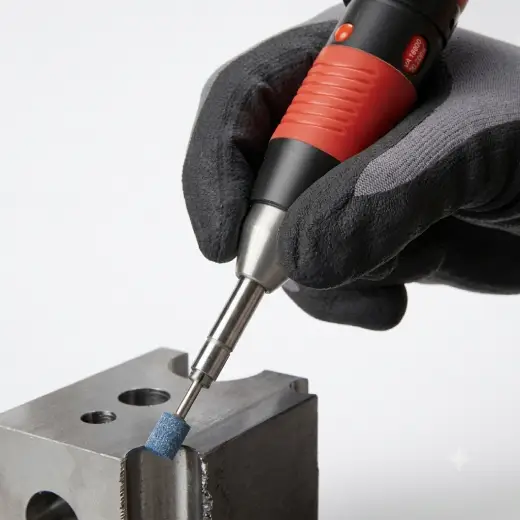
Tool and mould makers work inside cavities where access is tight, surfaces must be flawless and every cut affects part quality and die life.
LUPFIGS supplies matched SUHNER micro-motor, flexible-shaft and abrasive systems for cavity work, engraving and detailed surface correction — helping pattern shops and die casters achieve clean radii, sharp detail and consistent polish without chatter or heat damage.
Every cavity, core and pattern surface places strict limits on access, vibration, heat input and final texture.
From cavity polish to pattern correction and trial support, each stage needs a different combination of drive, handpiece and abrasive.
Controlled material removal on EDM surfaces, machined ribs and parting faces where uniform texture and clean radii are essential.
Remove sharp edges and EDM recast without altering critical geometry.
Smooth transitions between machined, ground and spark-eroded zones.
Progressive grit sequences for specified cavity texture and gloss.
Lettering, logos, vent details and local geometry corrections demand stable, low-vibration tools with carbide burrs and mounted points.
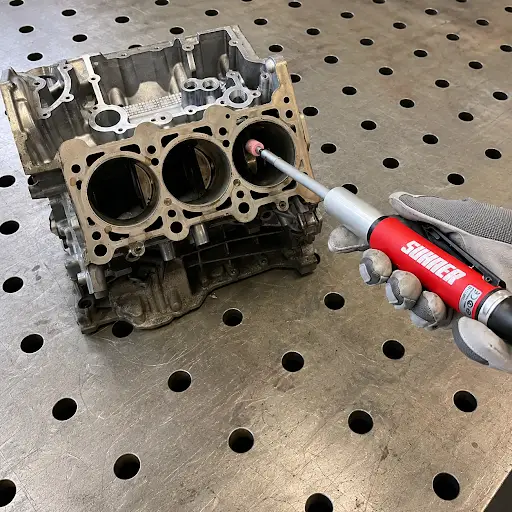
Local stock removal on inserts, slides and shut-off surfaces.
Crisp definition on parting lines, vents and engraved features.
Targeted rework after trial shots or wear without full re-machining.
Repair and refinement of casting dies, forging dies and pattern surfaces after machining, welding or production wear.
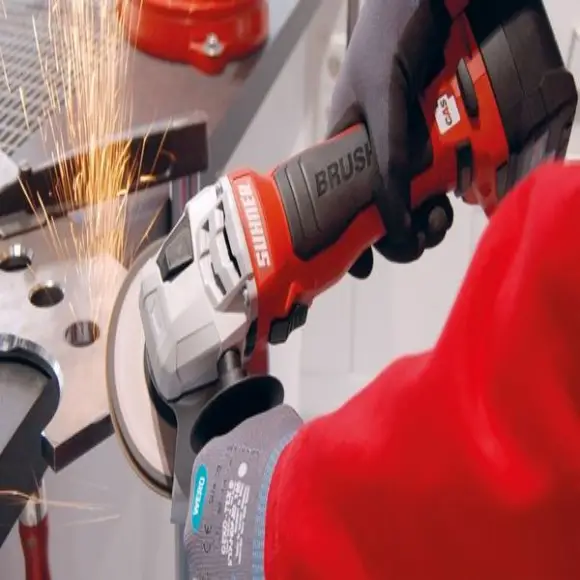
Fair welded repairs into surrounding hardened surfaces.
Remove scratches, pits and oxidation before re-polish.
Local material removal to correct shut-off or draft issues.
First-shot trials often reveal texture, flash or release issues that need rapid, controlled hand finishing at the bench or in the tool room.
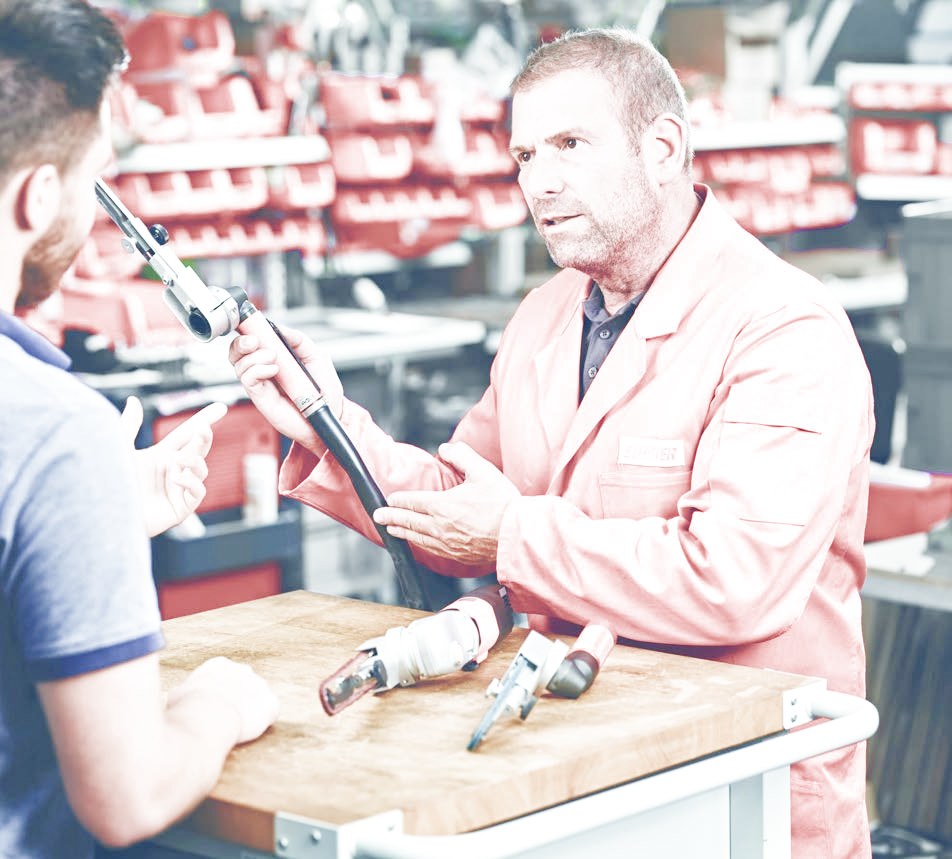
Select drive, handpiece and abrasive for the steel grade and required finish.
Test grit sequences and speeds before full cavity polish.
Training on posture, pressure and consumable change intervals.
Select the drive and abrasive combination that fits cavity depth, material hardness and required surface texture.
Low-vibration handpieces for fine milling, engraving and cavity polish.
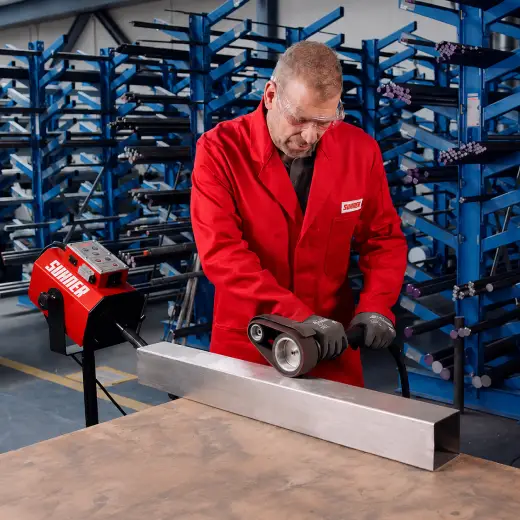
Compact drives with varied handpieces for deep cavities and awkward angles.
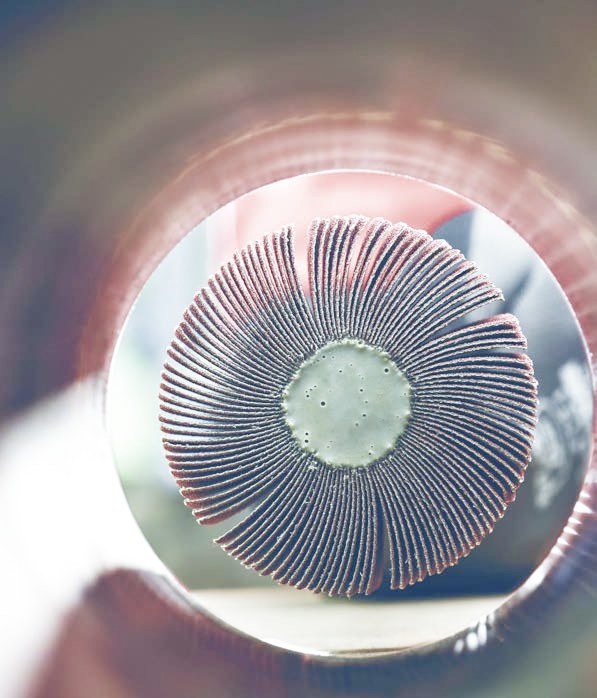
Mounted points, stones and fine abrasives for tool steel and coatings.
Compact grinders and detail tools for production tool rooms and die shops.
We help tool rooms define a clear sequence from cavity assessment through to validated surface texture.
Map geometry, draft angles, texture zones and areas needing correction.
Match reach, speed and vibration level to cavity depth and feature size.
Sequence grits and abrasives for controlled stock removal without heat build-up.
Complete engraving, blending and final polish to the specified texture or gloss.
Confirm fit, release and appearance with trial shots and documented methods.
Review the micro-motor, flexible-shaft and abrasive ranges most often specified for mould construction and die casting.